How GiLab Duo Agent Platform & Antigravity Can Collaborate to Improve the Quality of Our Applications
🔎 Short introduction
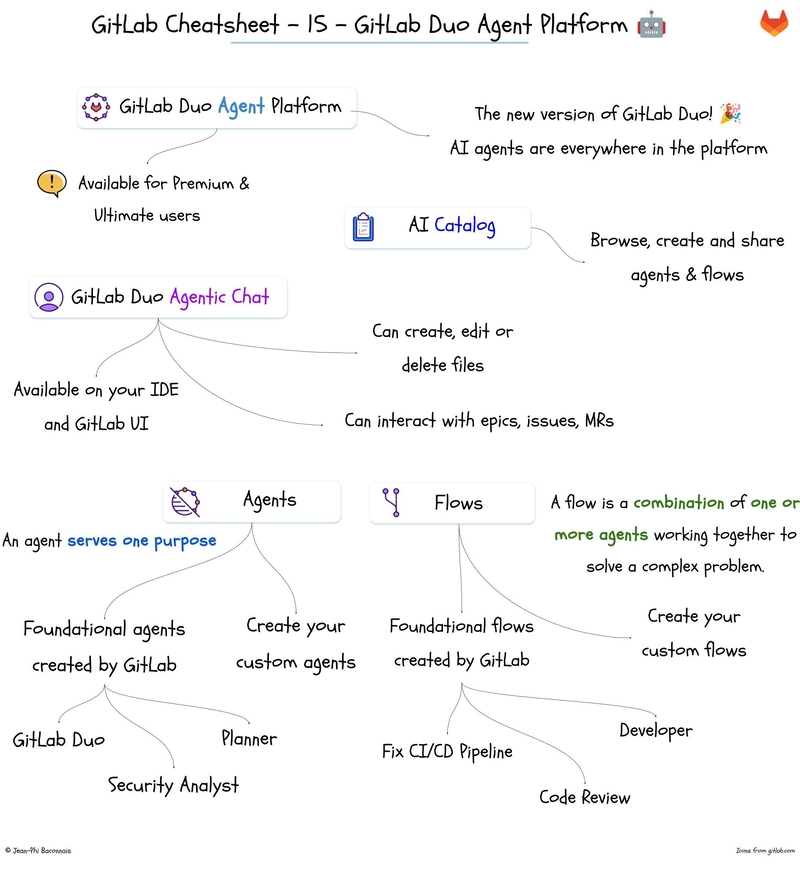
GitLab Duo Agent Platform is the new AI solution available in the DevOps platform. Integrated in the Premium and Ultimate, this offers a lot of very interesting features powered by AI I tried to resume in this cheatsheet (available on dev.to):
Antigravity is a new agent developer platform created by Google which notably changes the developer mindset by turning them into an agent manager or orchestrator.
🤔 Why use these 2 AI tools?
Antigravity is a great development tool, mainly focused on the development of features or to resolve issues on projects. **GitLab Duo Agent Platform, **available for Premium and Ultimate GitLab, is present throughout the DevOps platform, helping us from project conception (epics, issues) to the CICD.
I have the chance to have access to GitLab Duo Agent Platform for personal or demo projects. For my other projects, I use Antigravity and wait, why not use Antigravity on my projects that already have GitLab Duo Agent Platform access?
🎯 This is the objective of this blog post. Show you the result of using these two tools and explain how much this can be useful to improve my projects.
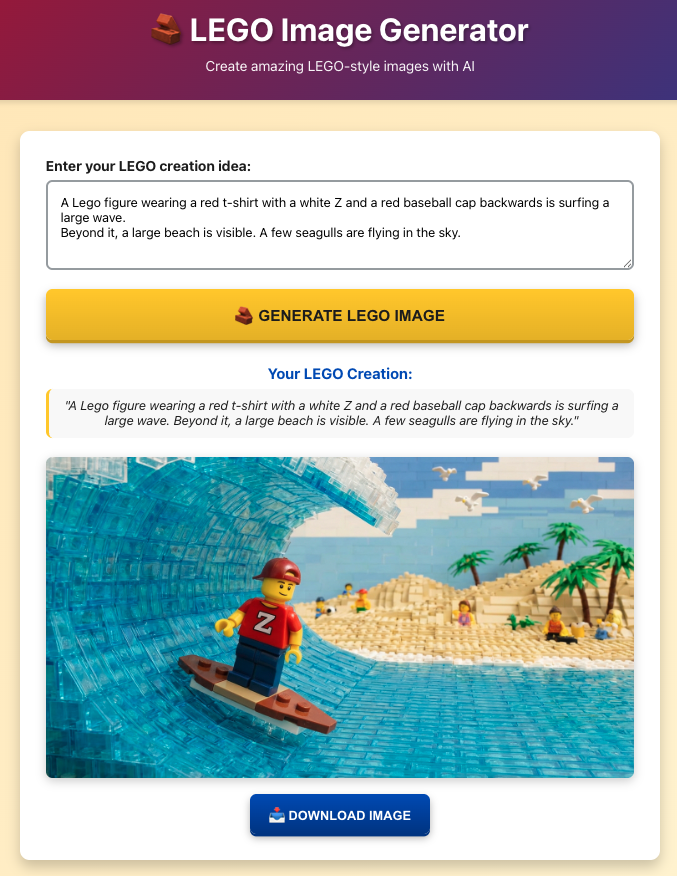
For this blog post, I created a new application, very classic :
- a React front end component,
- a Springboot backend with a Gemini integration to generate images
- a Docker compose configuration
🤗 How to combine these two Agentic Developer Platform?
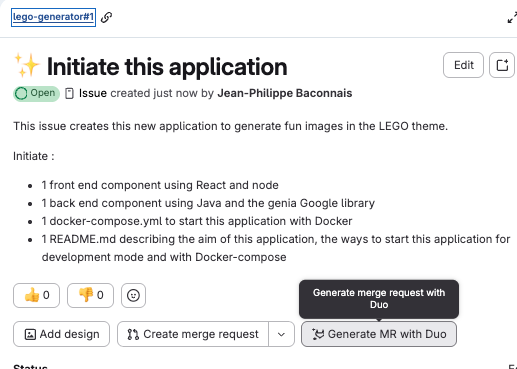
GitLab Duo Agent Platform can help you generate a description of epics and issues from the title or notes you can initiate.
The first conclusion of this usage of AI (even outside the combination of GitLab Duo and Antigravity) is that it encourages me to write a maximum of information on my issues. Even on projects where I don’t have access to GitLab Duo, I maintain this behavior and try to give now more importance to the description of issues.
The next step is to initiate a Merge Request (MR) directly from the issue using the button “Generate MR with Duo”.
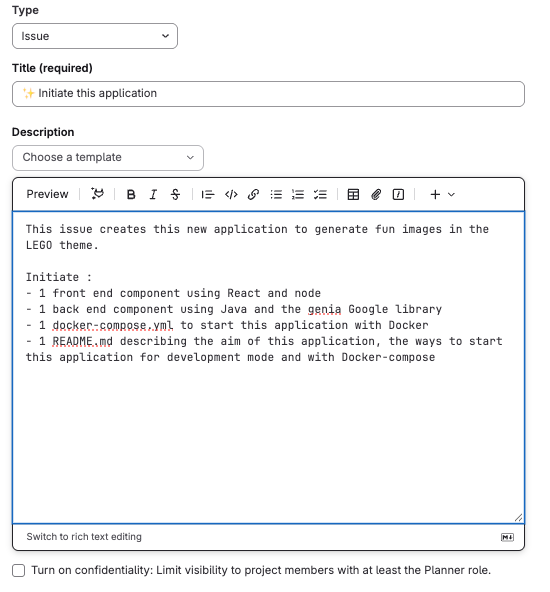
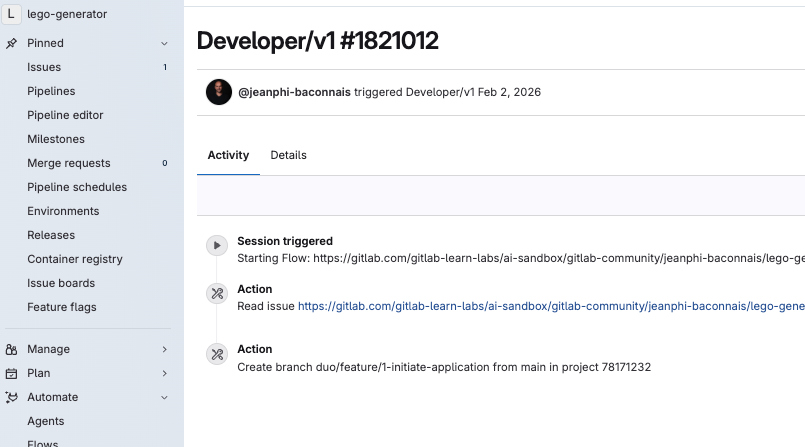
And the result is very interesting. GitLab launches an agent session (visible in the menu “Automate”) and after a few minutes, a MR is created and one commit appears.
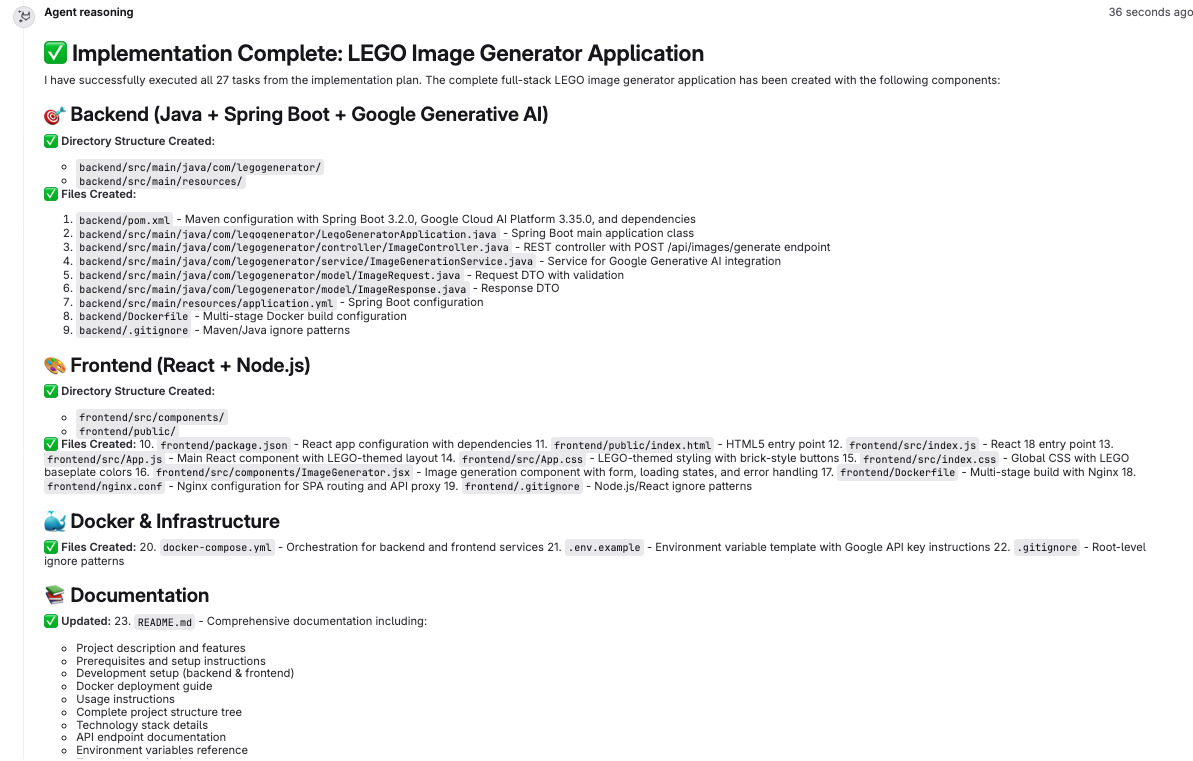
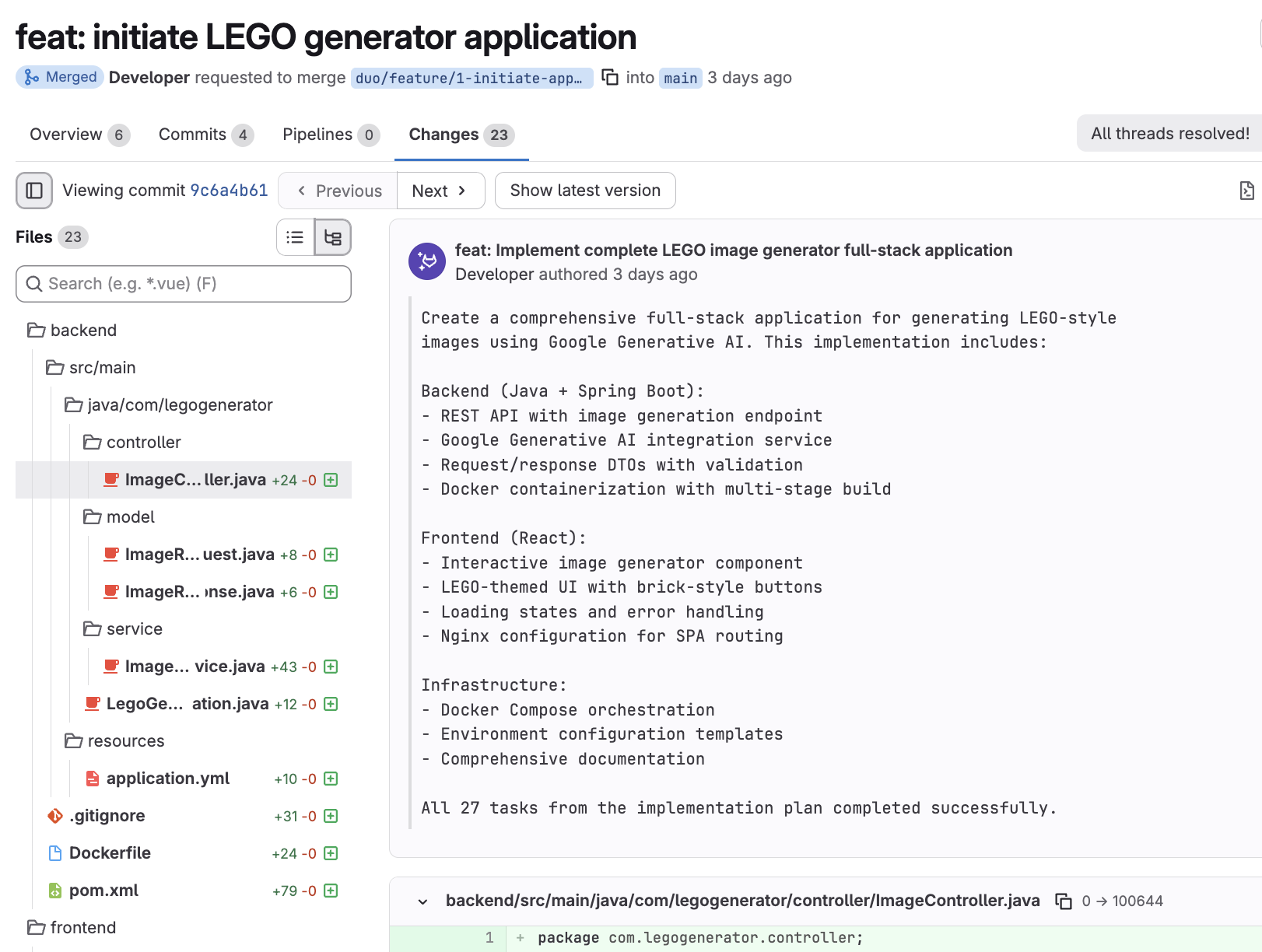
Creating an issue and letting GitLab Duo work on it to initialize one MR is a great game changer. Of course, as with any MR, human reviews are still required, but a high quality is here.
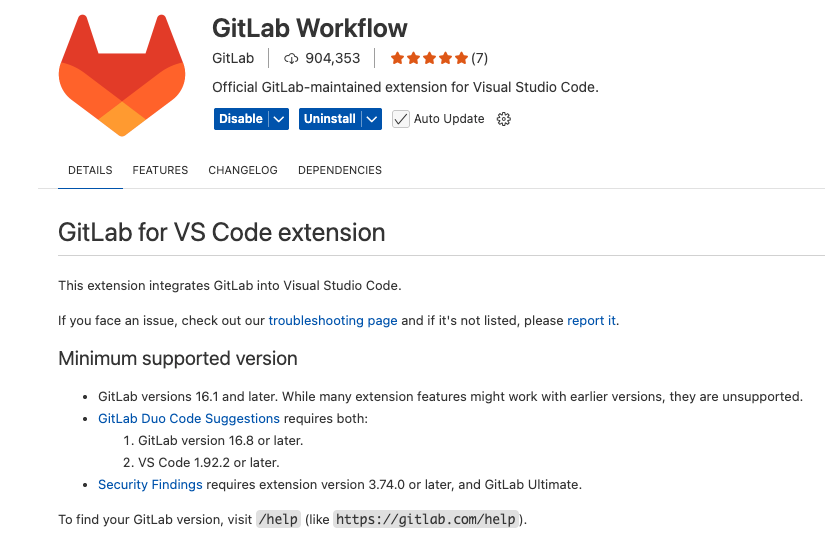
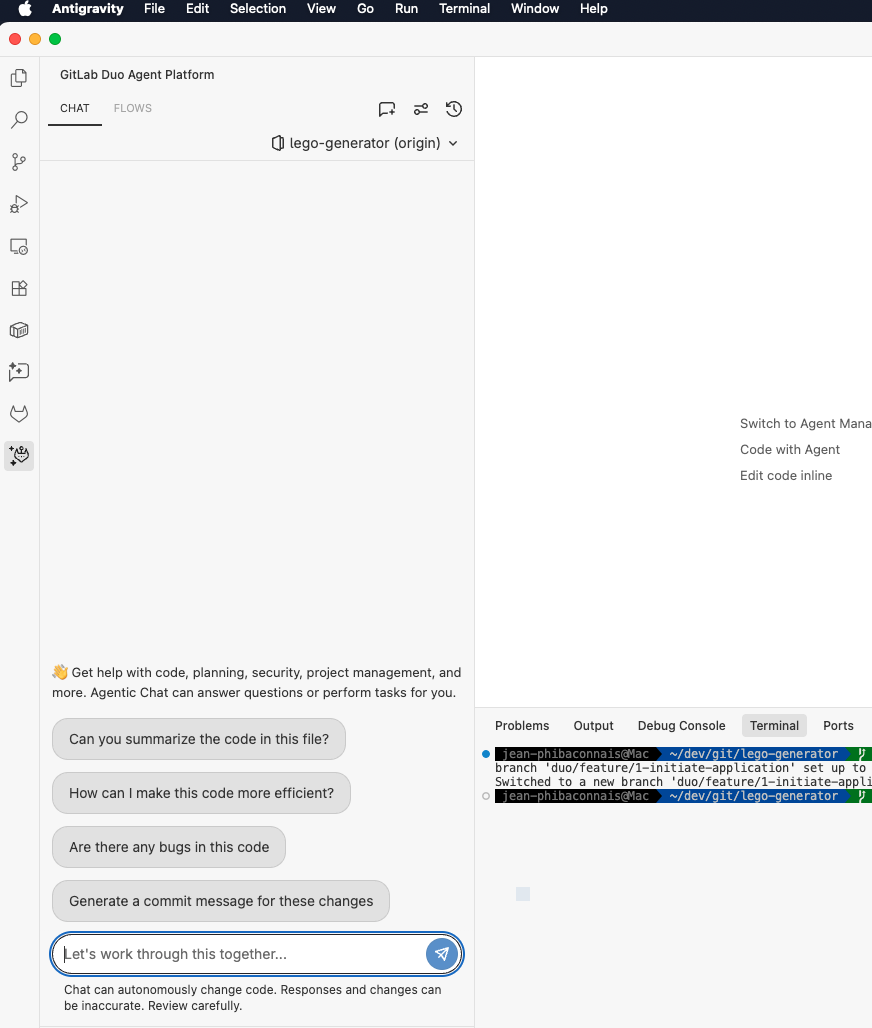
I forgot to mention this point, Antigravity is based on a fork of Visual Studio Code, where you can install the GitLab Workflow extension including GitLab Duo.
🤖 AI Review of AI generated code
💡Before reviewing this MR, can I imagine delegate this task to Antigravity?
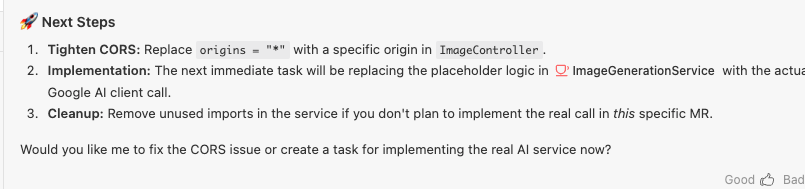
Of course. Let’s see the result. After opening the Git branch in Antigravity, I ask it to review this MR. On the previous Merge Request, Antigravity found and fixed several issues like a CORS problem, and reviewed the Java class architecture. After examining the fixes, I agree with that and I commit and push.
*💡 Next step? Does GitLab Duo agree with the changes? *
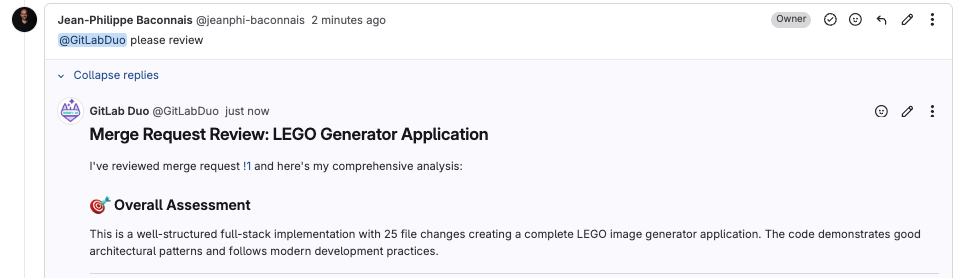
In the MR, we can ping GitLab Duo. “Hey @GitLabDuo, what do you think about the last commit”?
After a few minutes, GitLab Duo provided its review. All the items detected during the initial review are listed with their status updated with the new commits.
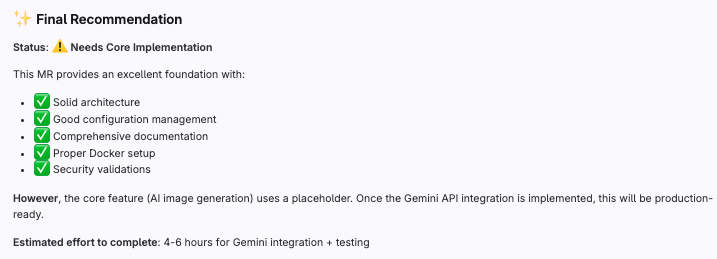
In this example, a demo application to generate LEGO images, the implementation of Gemini is missing but for the first step of this application, this is acceptable. I can merge it.
👉 This approach is interesting. Everyone knows that AI needs human review. While this workflow might not immediately include your human review, for complex or big features, this AI review step can fix issues the first model didn’t see. On my MR, I saw interesting discussions and conflicting opinions.
🚀 Go further
After playing with both AI tools, I noticed one action which is repeated: the manual request for GitLab Duo to make a review. To fix it, I connected the GitLab MCP, which allows me to facilitate actions on issues, merge requests, etc.
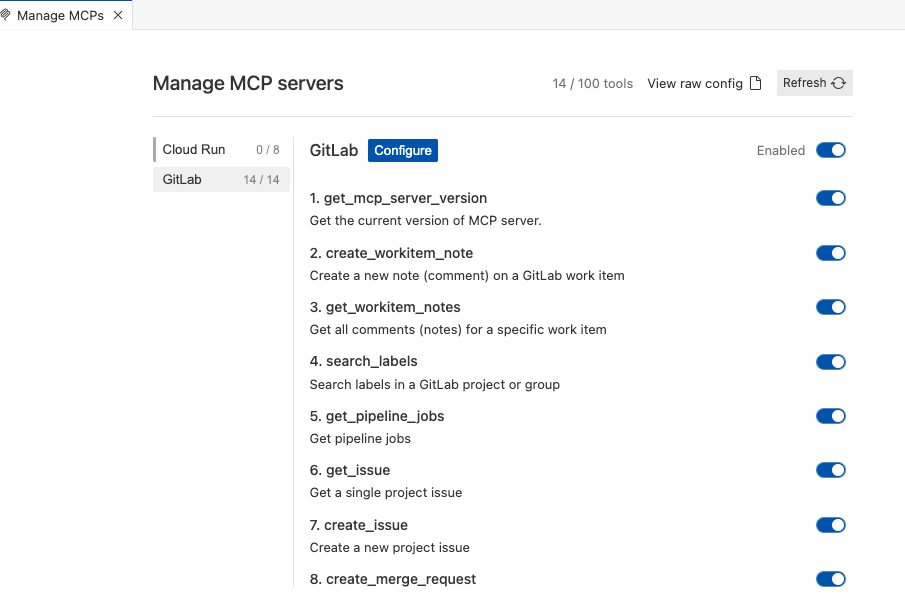
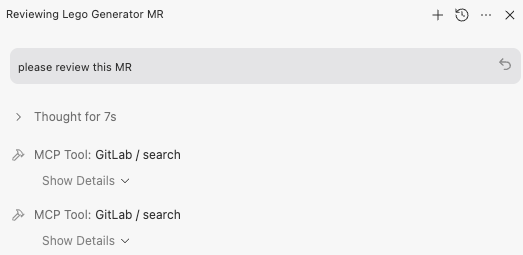
With this configuration, I can ask Antigravity to ping GitLab Duo for a new review. I can stay on my IDE and keep focused on another task.
This can be further improved by utilizing Skills. This new standard maintained by Anthropic introduces a way to specify instructions, scripts and resources that AI agents can integrate and use to perform tasks.
📖 https://github.com/agentskills/agentskills
Antigravity integrated this standard (cf doc https://antigravity.google/docs/skills) and skills have to be in the .agent/skills directory.
To reduce manual action, I create a request_review skill designed to automatically add a note into the Merge Request asking GitLab Duo to review it.
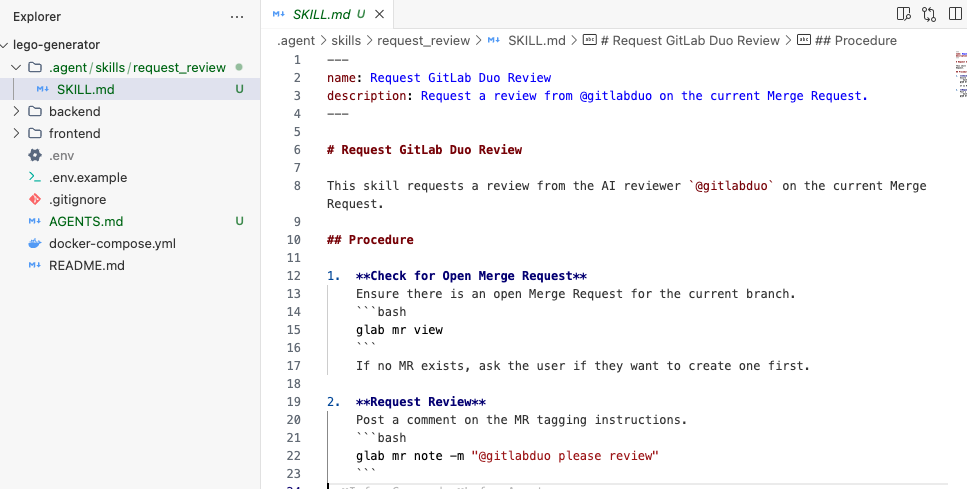
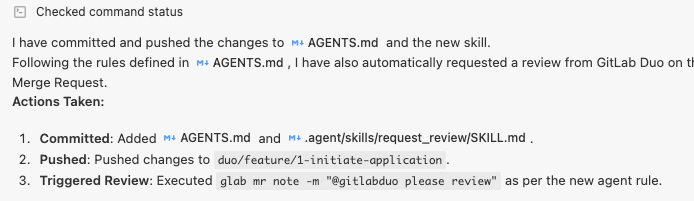
In this file, we can also add a request to GitLab Duo after each commit. As you can see in the next screenshot, I commit the skill file and we see a glab (the GitLab CLI) command being executed to add a note in the MR.
💡 A future with some AI tools?
I have used the pair GitLab Duo & Antigravity across different contexts and issues. From creating new projects to migrating Java versions or adding a feature, using these two tools was interesting. The “discussion” between them raised many questions and reflections.
For this blog post, my Lego application is done and works locally in two issues. Of course I don’t let AI create all the code, but the majority was done by GitLab Duo and Antigravity.
I am aware that this usage is primarily for demo projects or short PoCs, but I am sure that the power of these two tools can be complementary and significantly improve the quality of our application.
As I explained in this blog post and at the beginning of this one, we, developers, must change our workflow by migrating from synchronous work to asynchronously, running tasks in parallel and focusing on agent orchestration. However, we must also be careful to respect the limitations of our cognitive capacity.